New billing platform.
Impact
Paddle’s legacy billing platform was built on a monolithic architecture that no longer met modern standards. This limited our ability to scale, slowed feature development, and made it difficult to win new customers. At the same time, existing customers were requesting capabilities that were complex and time-consuming to deliver within the constraints of the old system.
Challenges
Improved current UX patterns and navigation.
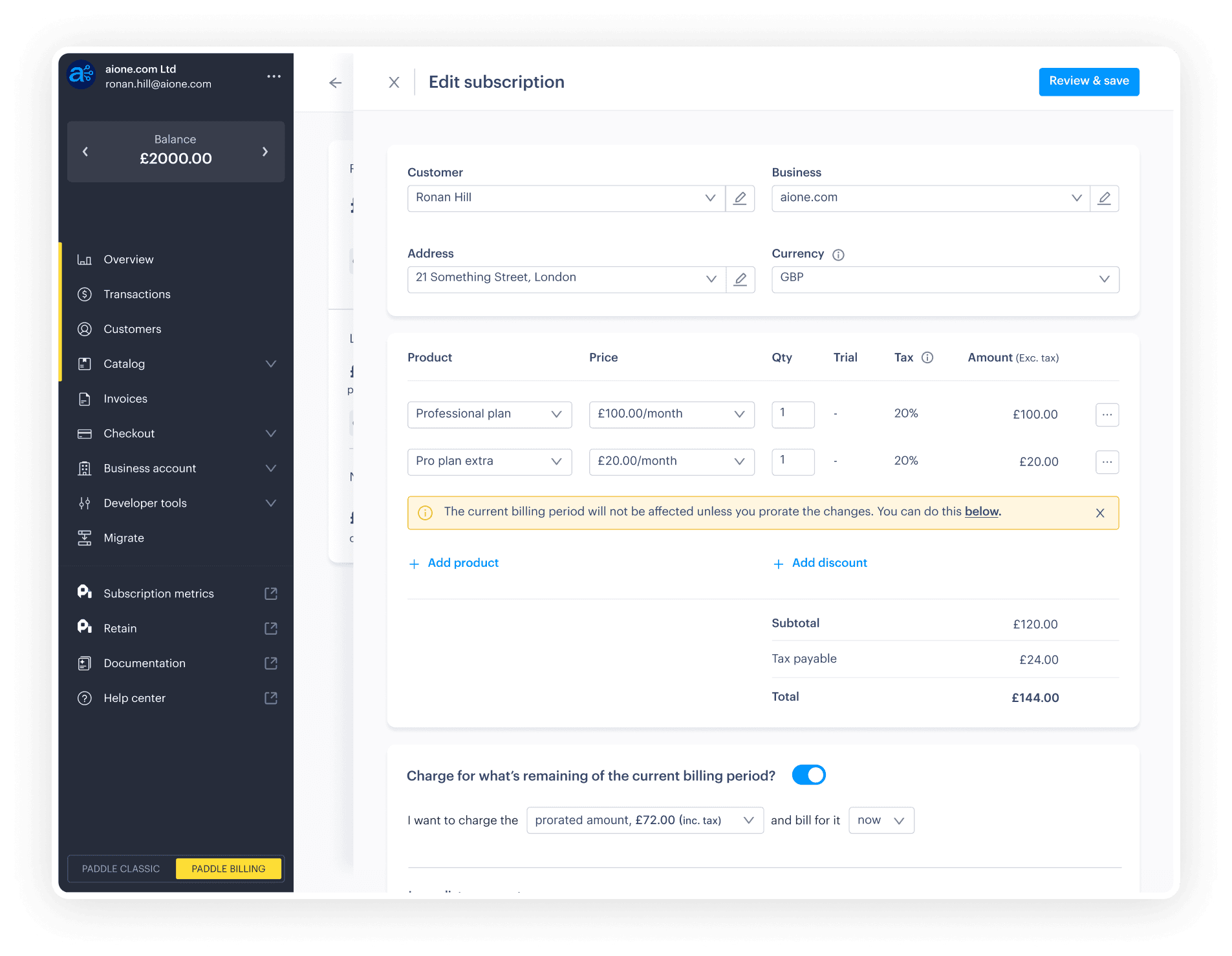
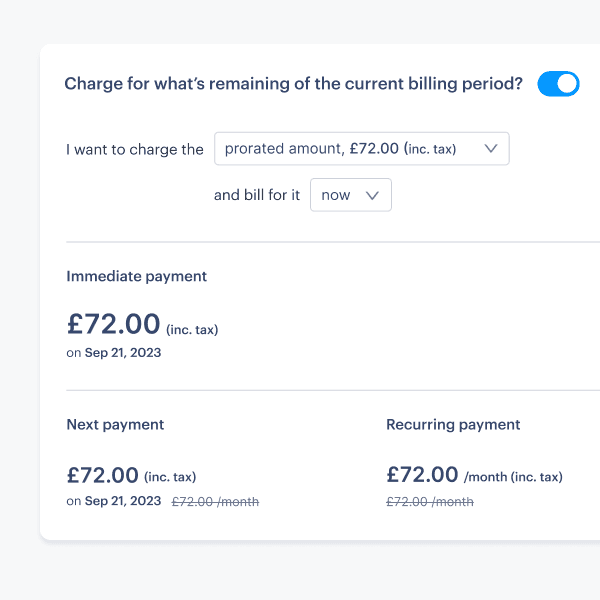
Introduced new pro-ration feature, simplifying complex monthly subscription logic.
I worked on 6+ new areas of Paddle Billing during my time at Paddle.
Explored, tested and validated end consumer email and invoicing
At the beginning
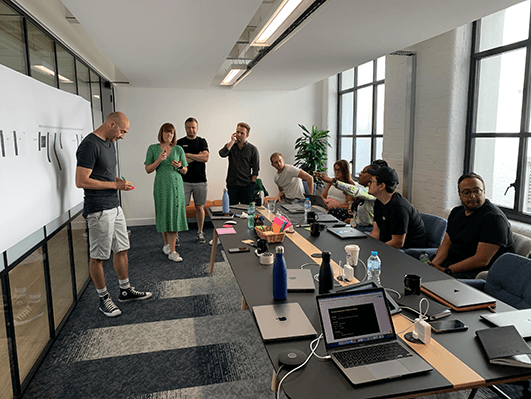
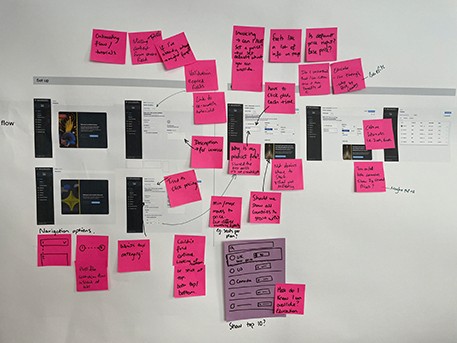
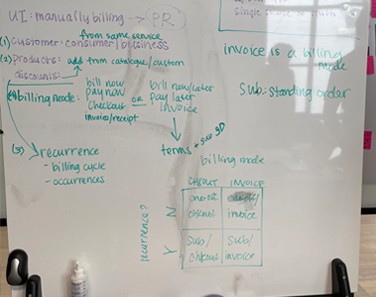
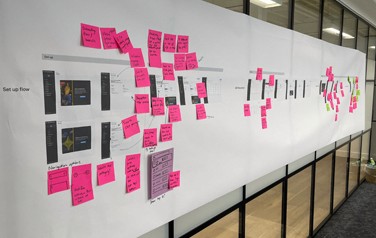
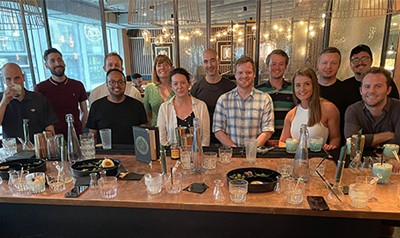
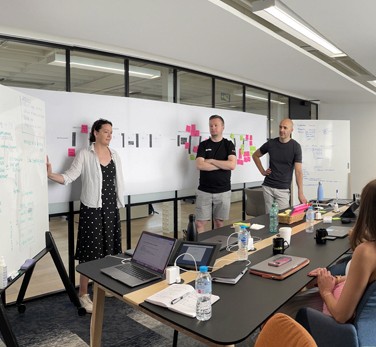
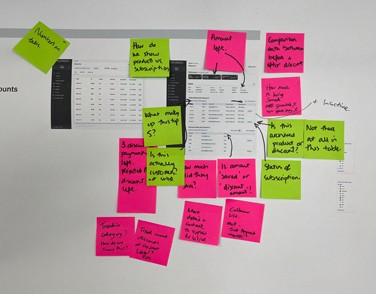
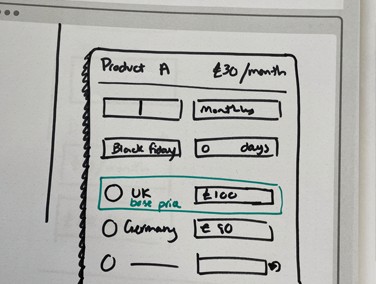
Below is a list of things we covered in our three-day workshop. We spent half of our time as a team discussing the plans and group level thinking then we split off into smaller groups to focus on our specific goals. As a design team of two at the time we split the work up to divide and conquer making sure we could meet the deadlines.
• The workshop included several PM's, directors, engineers and design
• Validate assumptions and align on direction
• Review early hypothesis and user flows looking
• Prioritising work into stages and importance
• Defining what is and isn't in scope
• Discussing technical challenges which were yet to be met and how they may influence the roadmap
Discovery and learnings
Using Figma and the Usertesting.com. platform I was able to test early ideas and assumptions. In the first 6 months I worked on what we called a master prototype which allowed us to test various flows and patterns and connect all the initial launch flows together. Following the first release in 2023 I then have spent time testing and improving Paddles new billing platform year on year.
Early customer insight highlighted what the platform was missing.
Spoke to many small, medium and large sized Paddle customers.
We used Ant library as a base for our design system allows us scale quickly.
I signed up to competitor platforms to learn how they approached billing.
Final Designs
Working across most areas of the new billing platform…
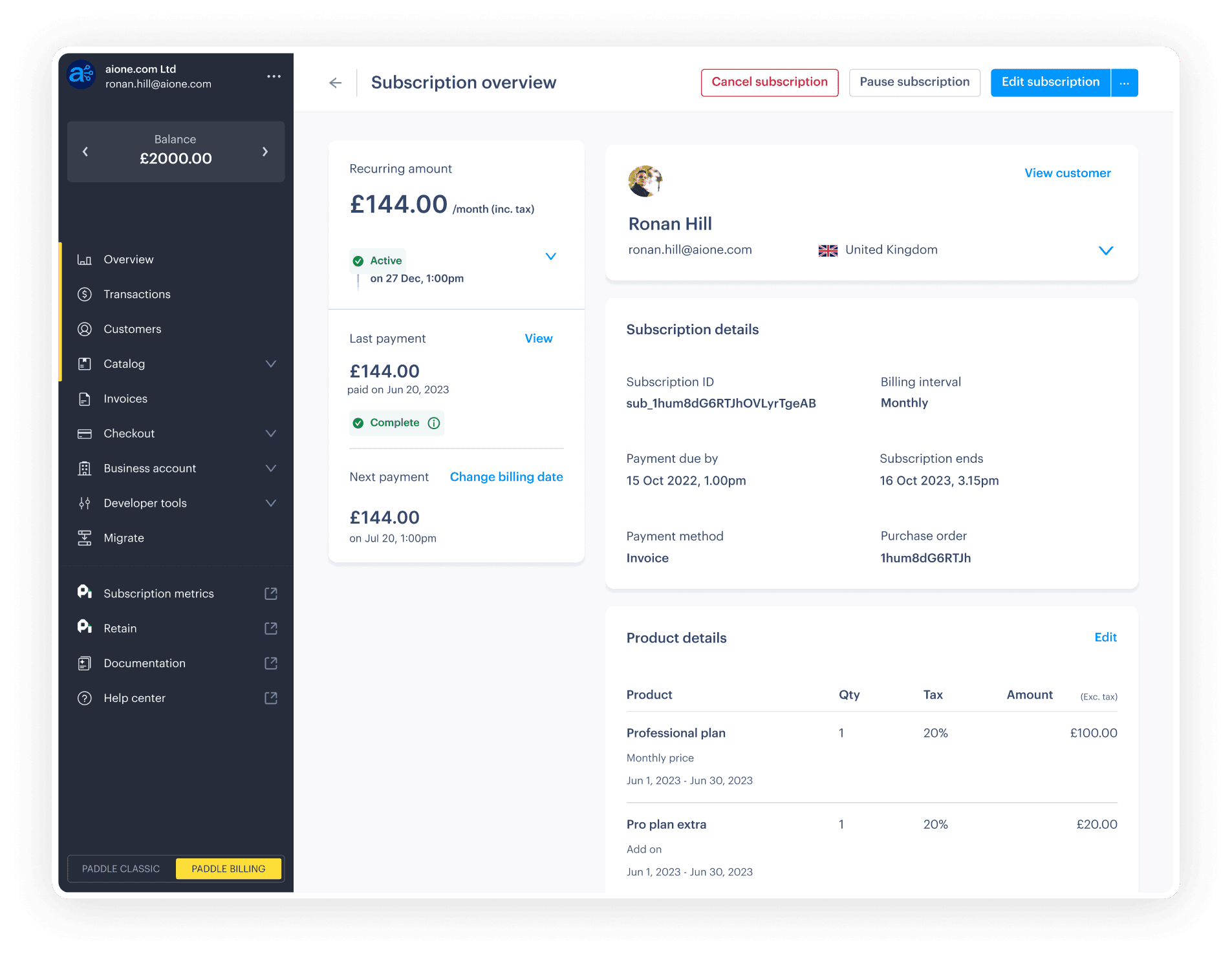
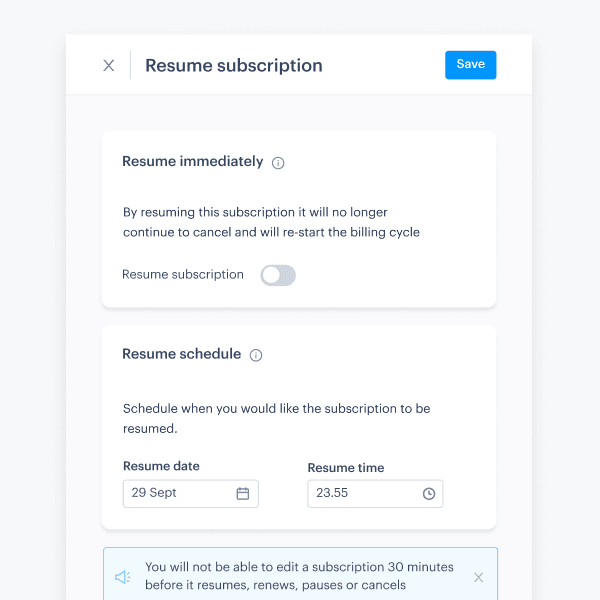
Subscription Management.
• Create, edit and manage subscription flows
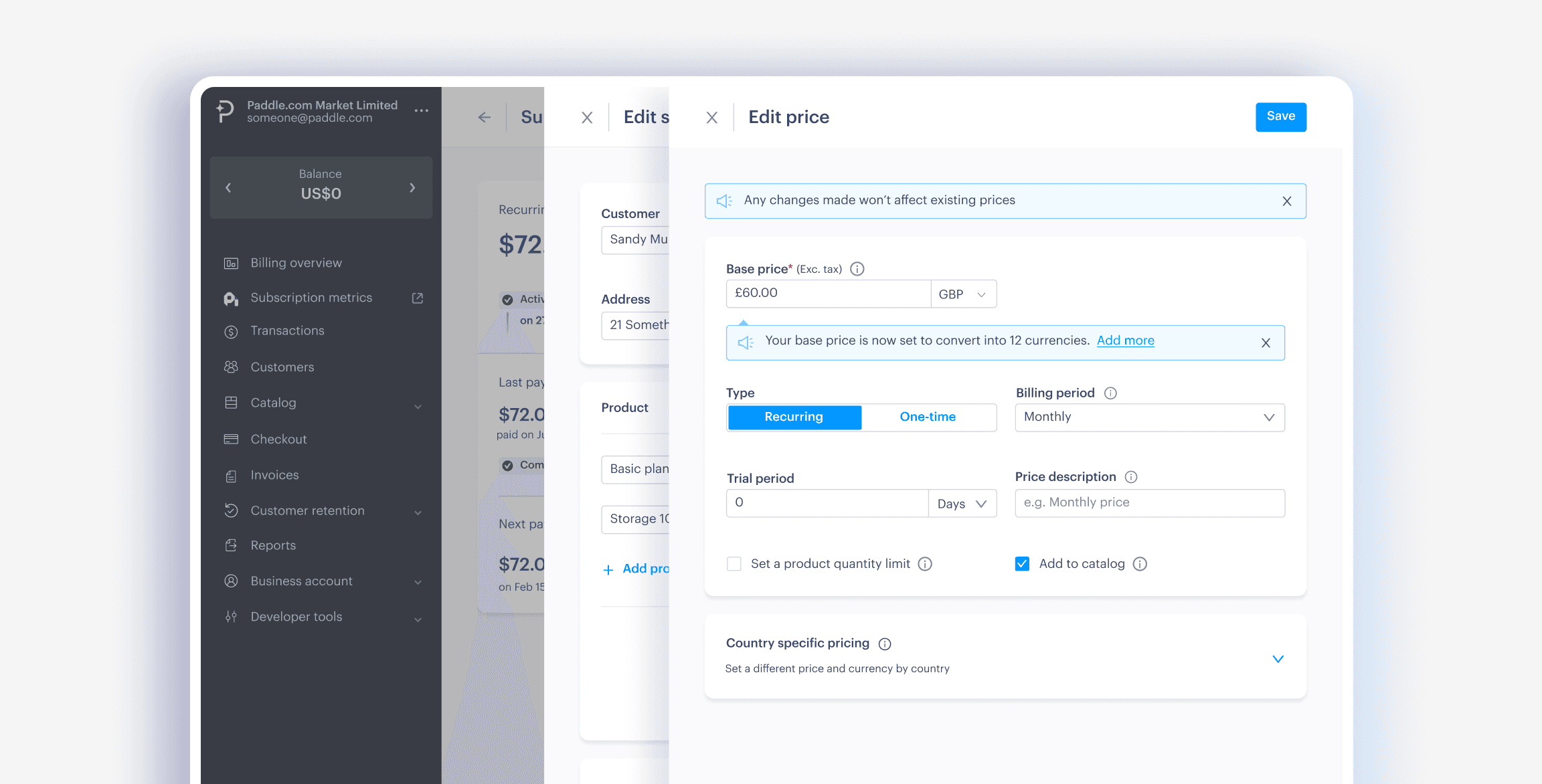
• Create and edit subscription prices
• Simplifying proration understanding, turning complexity into a simple experience
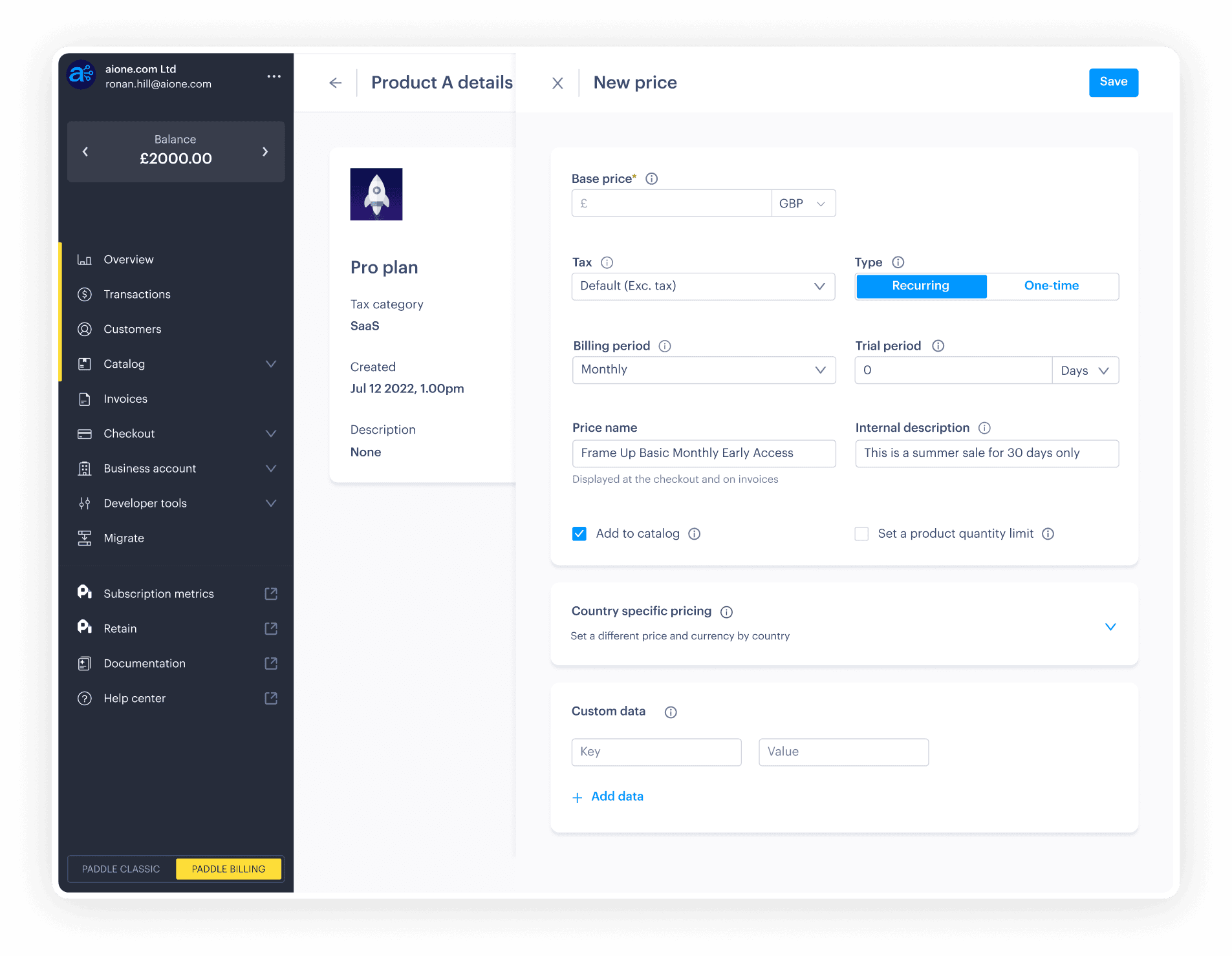
Product creation & pricing.
• Create and edit subscription product pricing flow
• Country specific pricing (price overrides) flow
• Price name and description testing across the checkout, invoicing and dashboard
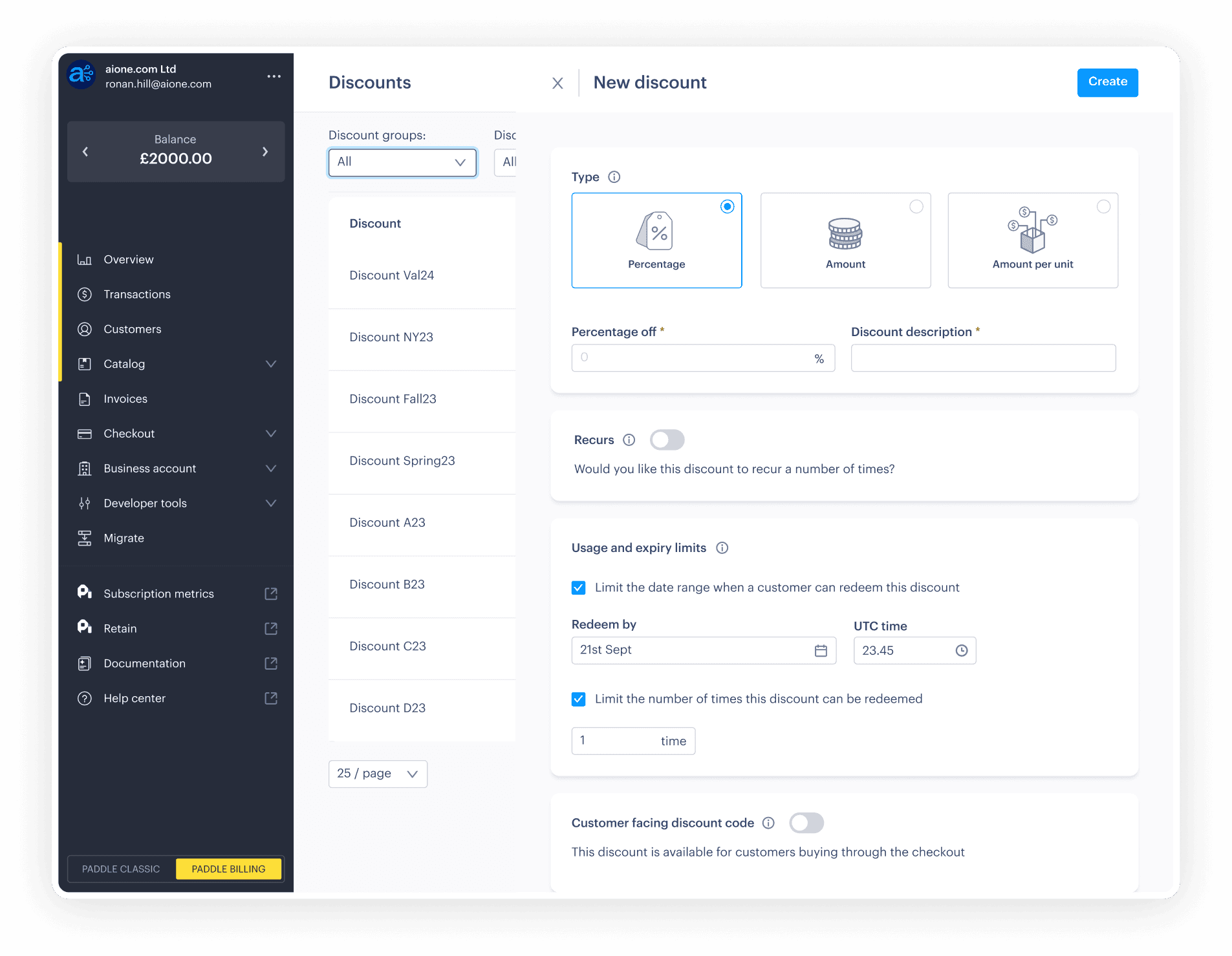
Discounts.
• Create, edit and manage discount flows
• Discount appearance from dashboard to invoices
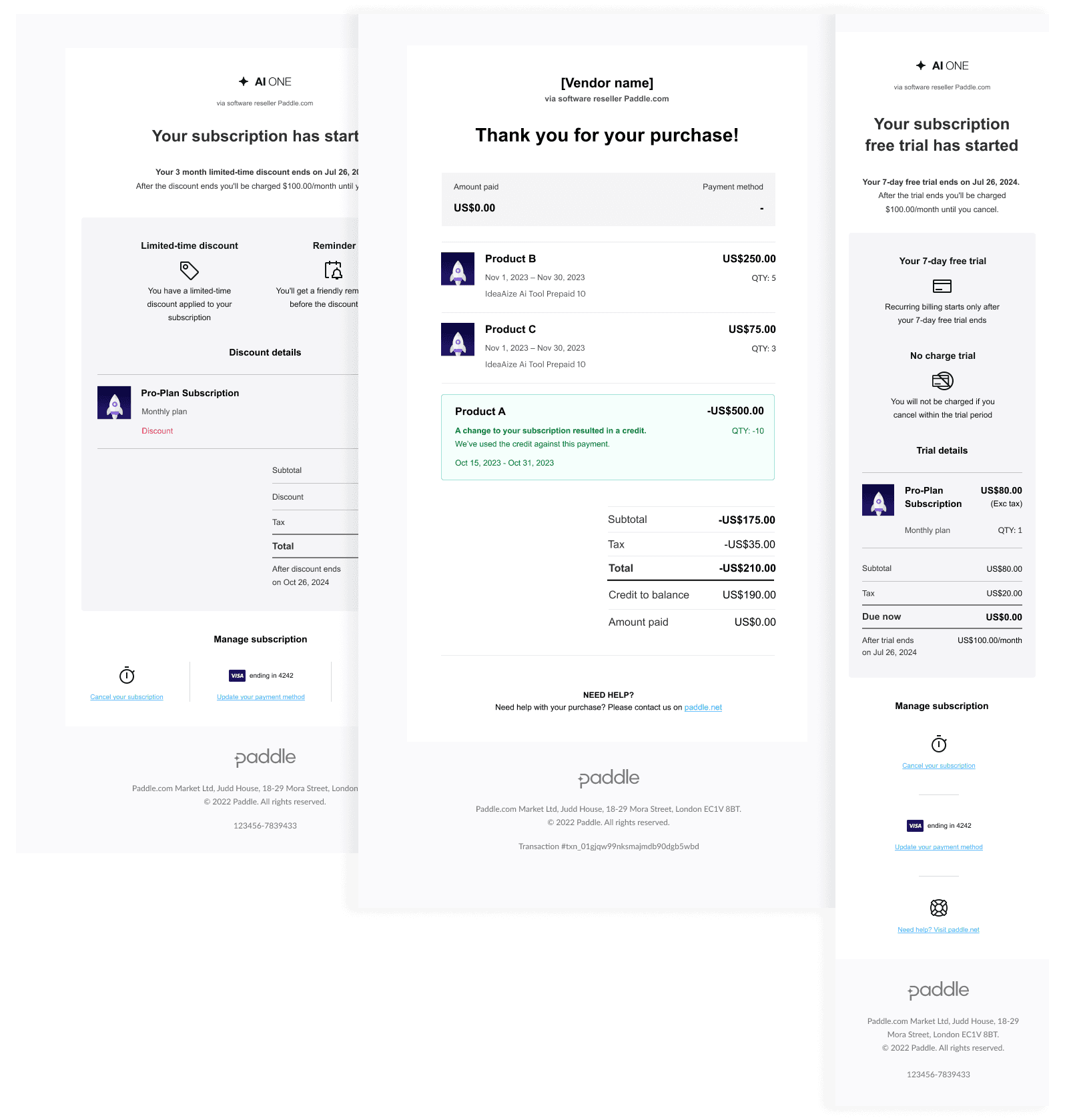
Billing emails & invoices.
• End customer email and billing invoices experience to match subscription set up
• Designed email UX flows for all B2C emails including complex proration and subscription updates
• Ran usability studies frequently to make sure email were clear and usable
Mark Slater 2026